
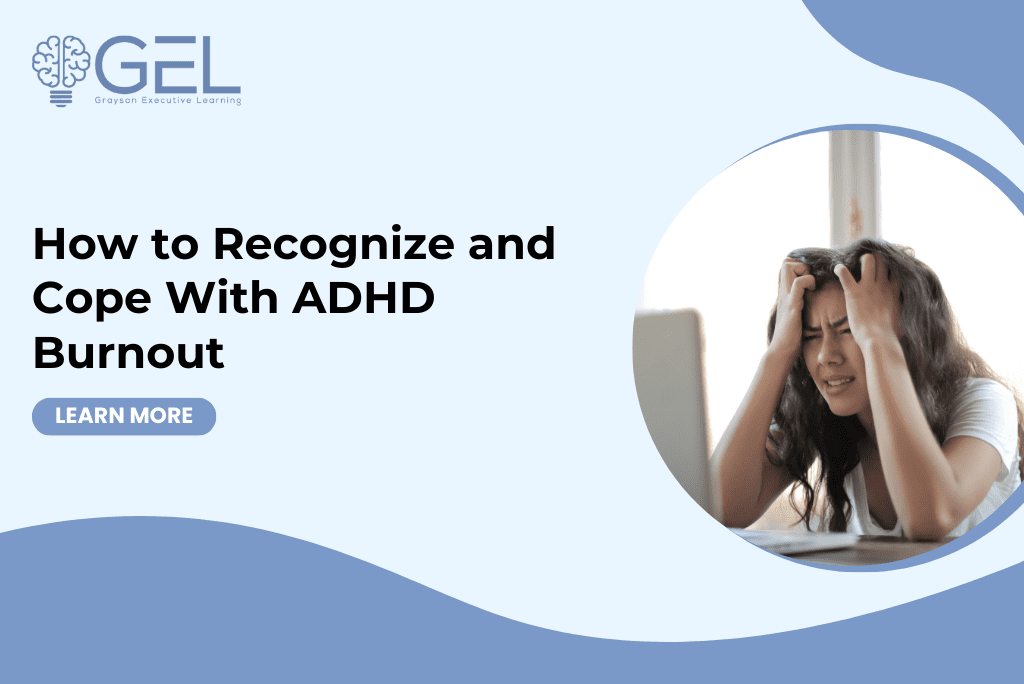

If your teen seems more exhausted, irritable, or unmotivated than usual, it could be more than just a bad week. They might be experiencing ADHD burnout, a state of mental, emotional, and physical fatigue that builds up over time when demands outweigh their ability to cope. For teens with ADHD, this kind of burnout can be particularly intense because they are already expending more mental energy to manage attention, organization, and emotional regulation.
ADHD burnout is not about laziness or lack of willpower. It is the result of chronic stress, overstimulation, and the constant effort to meet daily expectations in school, sports, relationships, and family life. Recognizing the signs early is key to helping your teen recover and develop strategies to prevent it in the future.
Understanding ADHD Burnout
Teens with ADHD often face a higher baseline of stress because their brains process information differently. Tasks that might seem simple to others, such as remembering assignments, switching between classes, or staying seated during a lecture, require significantly more effort for them. Over time, this mental load can lead to emotional exhaustion and reduced motivation.
According to research from ADDitude Magazine, ADHD burnout often occurs after a period of sustained pressure like exam weeks or sports seasons, or when multiple responsibilities pile up without enough downtime. When this happens, teens may withdraw socially, lose interest in hobbies, or appear less engaged with school.
Signs Your Teen May Be Experiencing ADHD Burnout
You might notice:
- Extreme fatigue even after rest
- Increased irritability or emotional outbursts
- Avoidance of schoolwork or responsibilities
- Forgetting tasks more often than usual
- Difficulty starting or completing assignments
- Physical symptoms like headaches or stomachaches without a clear cause
While some of these signs may overlap with typical teen stress, the combination of mental overload and ADHD symptoms makes burnout more intense and longer lasting if not addressed.
Normalize Conversations About Mental Energy
Teens with ADHD benefit from understanding that their mental energy is a limited resource. Comparing it to a phone battery can help them visualize the need for recharging. Encourage them to:
- Recognize when they feel drained
- Use small breaks to restore energy
- Plan demanding tasks when their energy is highest
Open communication reduces shame and makes it easier for them to ask for help before burnout escalates.
Adjust Academic and Home Expectations
Pushing through burnout often backfires. Work with teachers to adjust workloads during high stress periods. At home, focus on essential tasks and temporarily set aside non urgent chores. According to CHADD, reducing unnecessary demands during recovery helps restore focus and emotional stability.
Create Restorative Routines
Burnout recovery requires intentional rest. Help your teen create routines that promote mental and physical restoration:
- Maintain consistent sleep schedules of 8 to 9 hours
- Build in daily downtime for non-demanding activities
- Incorporate light exercise, which boosts mood and energy levels
Research from the CDC shows that teens with adequate sleep and regular physical activity report lower stress levels and improved attention.
Break Tasks Into Manageable Steps
Large tasks can feel impossible during burnout. Use the “one step at a time” approach:
- Identify the very first action needed
- Complete it before thinking about the next
- Celebrate small wins along the way
This approach reduces overwhelm and helps rebuild confidence.
Encourage Mindfulness and Emotional Regulation
Mindfulness practices like deep breathing, guided imagery, or progressive muscle relaxation can help your teen slow down and reconnect with the present moment. Emotional regulation skills, such as naming feelings or journaling, give them tools to manage stress rather than suppress it.
According to the American Psychological Association, mindfulness improves focus and resilience, both of which are critical during burnout recovery.
Support Positive Self-Talk
Negative self-talk can intensify burnout. Help your teen reframe thoughts by focusing on effort rather than outcome. For example:
- Instead of “I am bad at this,” say “I am learning this step by step.”
- Instead of “I can’t handle this,” say “I can try one small thing right now.”
Shifting self-talk promotes resilience and prevents feelings of defeat from taking over.
Build Preventive Habits
Once your teen begins to recover, focus on prevention:
- Encourage balanced schedules with time for rest
- Teach them to say no to extra commitments when needed
- Maintain ongoing check-ins about workload and energy levels
Preventing burnout is about recognizing limits before they are exceeded.
Final Thoughts: Burnout Can Be Managed and Prevented
ADHD burnout is challenging, but it does not have to derail your teen’s progress. With the right support, healthy routines, and realistic expectations, they can recover and build resilience for the future. Parents play a key role by fostering understanding, reducing unnecessary stressors, and modeling self-care.
How Grayson Executive Learning Helps Teens Manage ADHD Burnout
Grayson Executive Learning (GEL) is a boutique Academic and ADHD/Executive Function Coaching practice that specializes in providing premium one-on-one academic coaching services to high school and college students with ADHD and executive function difficulties.
Click here to learn how we can help your student truly reach their academic potential while developing critical life and independence skills.
We look forward to serving you.
Frequently Asked Questions
ADHD burnout is a state of mental, emotional, and physical exhaustion that builds when demands outweigh a teen’s ability to cope. Teens with ADHD already spend extra mental energy managing attention, organization, and emotional regulation, so sustained pressure, like exam weeks or a long sports season, drains them faster. It is the result of chronic stress, not laziness or low willpower.
Look for extreme fatigue even after rest, increased irritability or emotional outbursts, avoidance of schoolwork, forgetting tasks more than usual, difficulty starting or completing assignments, and physical complaints like headaches or stomachaches with no clear cause. Teens may also withdraw socially or lose interest in hobbies they normally enjoy. The combination and persistence of these signs is what matters.
The overlap is real, but burnout runs deeper and lasts longer. Ordinary stress usually eases once the busy stretch ends. ADHD burnout combines mental overload with ADHD symptoms themselves, so rest alone does not restore energy and motivation stays flat. When exhaustion, avoidance, and irritability persist across weeks rather than days, treat it as burnout rather than a bad week.
Reduce demands first, then rebuild slowly. Work with teachers to adjust workloads, set aside non urgent chores, and protect eight to nine hours of sleep with daily downtime and light exercise. Break tasks into one step at a time and celebrate small wins. Talking openly about mental energy, like a phone battery that needs recharging, reduces shame and invites honesty.
Largely, yes. Build balanced schedules with real rest, teach your teen to say no to extra commitments, and keep ongoing check ins about workload and energy. Prevention means recognizing limits before they are exceeded. If planning, follow through, and school stress stay heavy, our executive function coaching at Grayson Executive Learning helps teens build routines that keep burnout from returning.